What to Pack for Lapland in Winter: Mia's Arctic Essentials
I stood at the Rovaniemi airport arrivals hall in late December, watching a family from Barcelona step off the plane wearing puffer jackets that looked stylish but were clearly meant for a city winter, maybe -5°C, maybe a light breeze. Outside, the thermometer on the terminal wall read -27°C. The father was already shivering before they reached the taxi rank. I wanted to walk over and hand him a spare balaclava from my backpack, but that would have been weird. Instead, I’m writing this.
I’ve been guiding northern lights photography workshops, husky sleds, and snowmobile tours since 2018. I’ve seen tourists in jeans and leather boots try to survive a 3-hour aurora chase. I’ve watched people weep, not from the beauty, but from the cold. This packing list is not theoretical. It’s what I wear, what I lend to friends, and what I wish every visitor knew before stepping off the planning.
I Didn't Expect Lapland Winter Activities and Tours to Feel Like This
Let’s get the temperature straight. Rovaniemi in January and February averages -15°C to -30°C. That’s dry cold, not damp cold. It feels different, your nose hairs freeze instantly, your eyelashes get brittle, and exposed skin can frostbite in under 30 minutes at -25°C. But : if you layer properly, you can stand still for an hour watching the revontulet (northern lights) without shivering. If you layer wrong, you’ll be miserable inside 15 minutes.
The problem is that most "what to pack for winter" lists are written for people who live in mild climates. They recommend fleece jackets and thermal leggings from Decathlon. Those work in the Alps. In Lapland, they’re insufficient. You need gear rated for -30°C, and you need to understand that different activities demand different approaches. Standing still for aurora photography requires a completely different setup than driving a husky sled for 2 hours.
We earn a commission when you book through our links on Viator (PID P00303273), at no extra cost to you. This is how we keep the site free. Learn more →
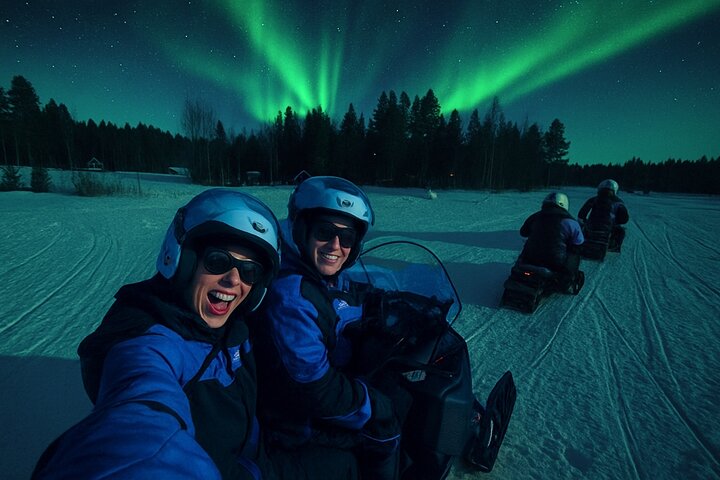
I booked the Northern Lights Tour with 100% Money-Back Guarantee as a baseline test, I wanted to see how the tour operators I recommend handle the cold. The guide, a quiet Finnish man named Antti, handed out one-piece thermal suits rated to -40°C before we even left the van. That’s the difference between a tour that cares and one that just wants your money. He drove 80km north of Rovaniemi, past Palojärvi, until he found a clearing with zero cloud cover. At 22:45, the aurora appeared, a pale green arc that slowly rippled. Antti set up my camera, adjusted the exposure, and handed me a thermos of hot lingonberry juice. I was standing in -28°C, wearing my merino base layer, the thermal suit, and a pair of down mittens over thin wool gloves. I was warm enough to stay out for 90 minutes.
The Northern Lights Tour That Saved My Trip
Northern Lights Tour with 100% Money-Back Guarantee
This is the best-value aurora tour in Rovaniemi. No mileage cap, the guide drives until he finds clear skies, even if it means 200km. Free professional photos included. The thermal suit they provide is genuinely good, but you still need your own merino base layer underneath. Best for budget-conscious travellers who want a quality chase without paying premium prices. Not for anyone who expects a luxury coach experience, this is a small van with a serious guide.
Check Availability →The Moments That Made Lapland Winter Activities and Tours remarkable
I’ve been on dozens of husky safaris. Most are fine, you sit in a sled, the dogs run, you get cold. But one morning in early January, I joined a small family operation 45 minutes outside Rovaniemi, near Ranua. The kennel had 24 dogs, Siberian huskies and Alaskan mixes, and the owner, a Finn named Juhani, had been running it for 14 years. He handed me a one-piece thermal suit and said: "The dogs know if you’re nervous. They feed on it." He was right.
The temperature was -22°C. The sky was pale grey, and the sun, what little of it appeared, was just a glow behind the pines. I drove my own sled for the first time, standing on the runners, holding the handlebar. The dogs ran hard for 45 minutes, steam rising off their fur. My face was cold, but my core was warm because I’d layered correctly: merino long johns, a wool sweater, a fleece mid-layer, and the thermal suit over everything. Mittens, not gloves. A balaclava, not a scarf. The difference is real, mittens keep your fingers together, sharing warmth. Balaclavas cover your neck and face without gaps.
Later that evening, I booked the Snowmobile and Aurora Combo Tour, a 2-in-1 that starts with a snowmobile ride through Arctic forest at dusk, then stops at a remote camp for aurora viewing. The snowmobiles were new, easy to handle, and the guide kept a steady pace. By 21:30 we were sitting around a campfire, drinking hot chocolate, watching the sky. The aurora that night was weak, maybe Kp 2, but the experience of arriving there by snowmobile, through the silent forest, made it feel earned.
A underrated spot Worth Discovering
Photo Gallery
Snowmobile and Aurora Combo Tour
Two activities in one evening: snowmobiling through Arctic forest at dusk, then aurora viewing at a remote camp with hot drinks and a fire. The snowmobiles are new (2023 models), and the guide provides full thermal gear. Best for adventure couples who want more than just standing around looking at the sky. Not for solo travellers who prefer a quieter experience, you share the snowmobile with a partner.
Book Now →What Really Surprised Me About Lapland Winter Activities and Tours
Three things caught me off guard, even after years of living her..
First: The cold is not the problem, the wind is. At -25°C with no wind, you can walk for an hour comfortably. Add a 15 km/h breeze, and exposed skin freezes in 10 minutes. That’s why I always pack a windproof outer layer, not just a warm one. A shell jacket over your insulation makes a bigger difference than adding another layer of fleece.
Second: Your phone will die. Lithium batteries drain fast at -20°C. I’ve seen tourists lose their camera battery mid-aurora, or have their phone shut down when they needed to call a taxi. I carry a power bank rated for extreme cold (the Anker PowerCore series handles -30°C reasonably well) and keep it in an inside pocket close to my body. I also keep my phone in a breast pocket under my jacket, not in my coat’s outer pocket.
Third: The best tours don’t look impressive on paper. The operators that offer "unlimited mileage" on aurora chases, the ones who drive until they find clear skies, even if it means 200km, are the ones that actually deliver. The cheap tours stay within 20km of Rovaniemi and often fail. I’ve seen this dozens of times: a group books a €60 tour, drives 15 minutes, waits an hour, sees nothing, goes home. The next night, I’m with a guide who drove 90km north and found a sky full of aurora. You get what you pay for.
Mia Ahola's Insider Tips for Getting It Right
Here’s the packing list I give to every friend who visits. I’ve tested every item in -30°C.
- Base layer: Merino wool long johns and a merino wool top. 100% merino, not a blend. I use Icebreaker or Devold. Cost is about €80-120 for a set. Worth every euro. Cotton kills, it holds moisture, freezes, and makes you cold.
- Mid layer: A wool sweater or fleece. I prefer a thick Icelandic wool sweater (lopapeysa) but any dense wool works.
- Outer layer: A one-piece thermal suit or a down jacket rated to -30°C. Most tour operators provide these, but if you’re doing independent activities, buy or rent one. The ones at the Rovaniemi rental shops (like Arctic Gear) cost about €30/day.
- Footwear: Insulated snow boots rated to -30°C. I wear Baffin Impact boots. They’re heavy but warm. Avoid Sorel boots with removable liners, the liners shift and create cold spots.
- Hands: Down mittens over thin wool gloves. The mittens keep your fingers together. The wool gloves let you take photos or handle zippers without exposing skin.
- Head and face: A balaclava (not a scarf, scarves leave gaps). A wool hat that covers your ears. Ski goggles if you’re snowmobiling or if the wind picks up.
- Electronics: A power bank rated for extreme cold. A camera with manual exposure settings (phone cameras struggle with aurora). Extra batteries kept in an inside pocket.
One more tip: book morning husky safaris, not afternoon ones. In December, the sun rises around 10:30 and sets by 14:00. An afternoon safari starts in twilight and ends in darkness. A morning safari (09:00-11:30) gives you the best light for photos and the dogs are fresher.
What I Wish I'd Known Before I Went
I’ve been guiding for years, but I still learn things every season. Here’s what I wish someone had told me before my first winter as a guide:
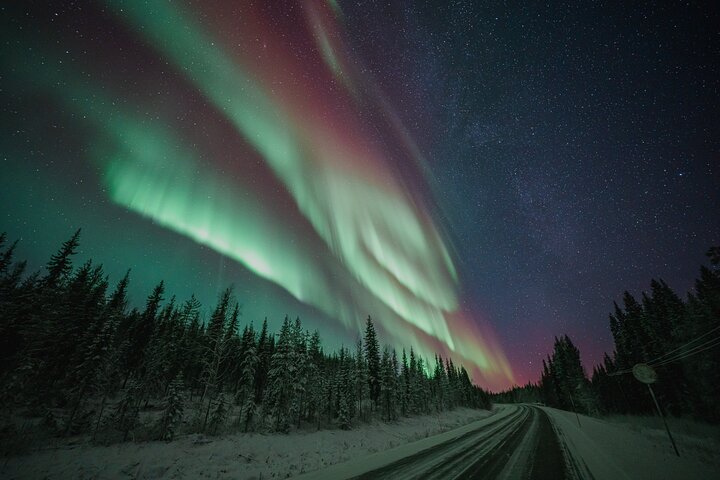
- The northern lights don’t look like Instagram to the naked eye. They’re usually pale white-green arcs. The vivid greens, purples, and reds you see in photos are captured with long exposure cameras. Don’t expect the sky to look like a screensaver. It’s still beautiful, just different.
- Santa Claus Village is a commercial attraction. It processes thousands of visitors daily in December. The queue for Santa’s photo can hit 2 hours. Go at 10 AM on a Tuesday in early December, or skip it entirely if you want a quiet, authentic experience. The real Lapland is in the forests outside Rovaniemi, not in the gift shops.
- Skip the Santa Claus Village restaurants. They’re overpriced and average. Take bus #8 (€4) into Rovaniemi centre and eat at Ravintola Nili or Kauppayhtiö. Better food, better prices, and you’ll actually meet locals.
- Winter tyres are mandatory in Finland from December to February. Rental cars come equipped. Drive carefully on ice, even with studded tyres, stopping distances are long.
- Check cancellation policies for weather-dependent tours. The best aurora operators offer 100% money-back guarantees if you don’t see the lights. The cheap ones don’t. Read the fine print.
- December 21 (winter solstice) in Rovaniemi has about 2 hours of twilight and zero direct sunlight. Plan your activities accordingly. By late January, you get about 4 hours of daylight. By March, it’s 8 hours.
- Taxi from Rovaniemi airport to city centre is a fixed €25-35. Don’t let drivers negotiate a higher rate. The bus is €4 and takes 20 minutes.
If you’re still planning your trip, check my full packing list for a downloadable version. And if you’re wondering when to visit, my best time to visit Lapland guide breaks down the tradeoffs between December (dark, festive) and March (more daylight, better aurora odds).
Explore More
Related comparisons and guides:
- Lapland Northern Lights: Guaranteed Viewing vs Budget Tour, Worth the Extra €80?
- Arctic Delight vs Rovaniemi Snowmobile Safari: Welche Lappland-Tour lohnt sic...
- Lapland Northern Lights: Guaranteed Viewing vs Budget Tour, Worth the Extra €80?
- Lapland Arctic Snow Hotel: Day Visit vs Overnight Stay, Ist Schlafen auf Eis ...
Frequently Asked Questions
What is the single most important item to pack for Lapland winter?
Merino wool base layers, long johns and a top. Cotton holds moisture and freezes. Merino wicks sweat and keeps you warm even when damp. Without it, you’ll be cold no matter what else you wear.
Do I really need a power bank for my phone in Lapland?
Yes. Lithium batteries drain in minutes at -20°C. A power bank rated for extreme cold (like Anker PowerCore) kept in an inside pocket near your body can save your phone from dying mid-aurora or when you need to call a taxi.
Can I wear jeans and a fashion winter coat to see the northern lights?
No. Jeans are cotton and will freeze within 15 minutes at -25°C. Fashion winter coats lack the insulation and windproofing needed for standing still in the cold. You need a thermal suit or down jacket rated to -30°C, wool layers, and proper boots.
How cold does it actually get in Rovaniemi in winter?
Rovaniemi winter temperatures range from -5°C in November to -30°C in January and February. The dry cold feels different than damp cold, exposed skin freezes in under 30 minutes at -25°C. Always check the forecast and pack for the worst case.
Is it worth booking a northern lights tour with a money-back guarantee?
Yes, absolutely. Aurora visibility depends on solar activity and weather, even the best guides can’t guarantee a show. A 100% money-back guarantee from a reputable operator means they’ll rebook you or refund you if the aurora doesn’t appear. Cheap tours without guarantees often stay close to the city and fail.
Should I book a morning or afternoon husky safari in December?
Morning safaris (09:00-11:30) are better in December. The sun rises around 10:30 and sets by 14:00, so morning tours have better light for photos. Afternoon tours start in twilight and end in darkness. The dogs are also fresher in the morning.