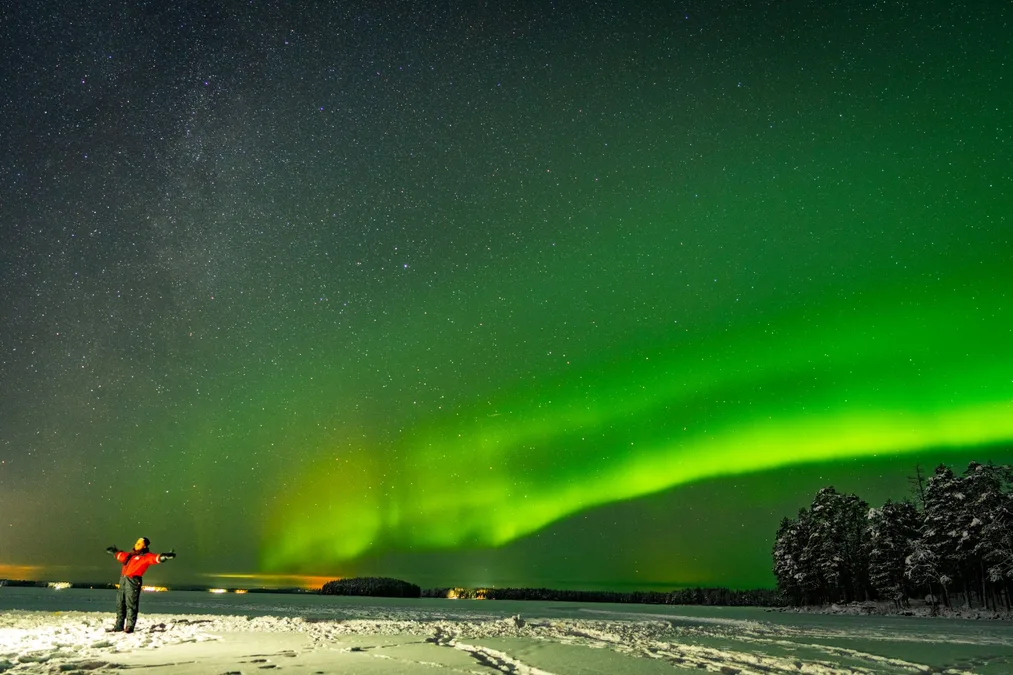
The Complete Guide to Aurora Photography in Rovaniemi
I remember my first winter guiding aurora tours in 2018, standing with a group of ten tourists near the Kemijoki River. The temperature was -22°C, and one guest kept asking me why the northern lights looked "so weak." She had been scrolling through Instagram before the tour, expecting neon green curtains that danced across the entire sky. What we were seeing was a pale white-green arc, barely visible to the naked eye, shifting slowly like a curtain caught in a gentle wind. She was disappointed. I handed her my camera, showed her the 8-second exposure on the screen, and watched her jaw drop. The camera saw what her eyes couldn't: vivid green, subtle purple at the edges, a genuine aurora display. That moment taught me something I've never forgotten, aurora photography is not about what you see, it's about what your camera can reveal.
We earn a commission when you book through our links on Viator (PID P00303273), at no extra cost to you. This is how we keep the site free. Learn more →
This guide is for regular travellers who want decent aurora photos without becoming photographers. I've spent three winters chasing the revontulet (fox fires) across Lapland, and I know exactly which tours deliver and which leave you cold and empty-handed.
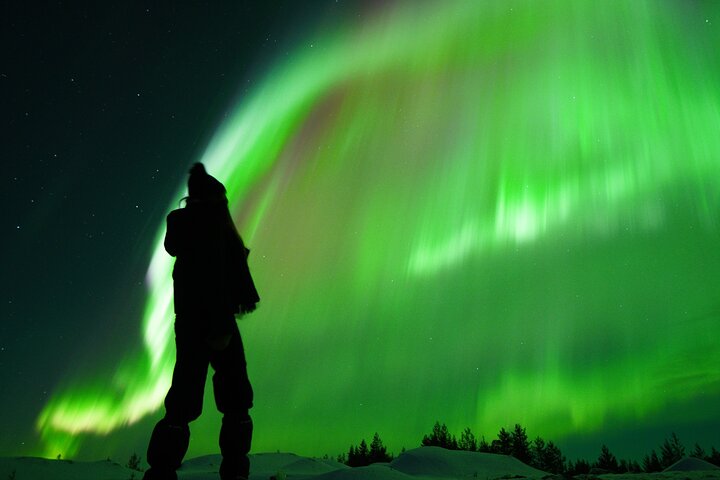
I Didn't Expect Lapland to Feel Like This
I booked my first aurora tour as a customer in 2019, curious to see what the experience was like from the other side. The group bus picked me up at 20:00 from a hotel in Rovaniemi centre. There were 45 people on board. The guide, a cheerful Italian man who had moved to Lapland two years earlier, promised us a great show. We drove 15 minutes north, parked at a viewing platform near Napapiiri, and waited. And waited. The sky stayed overcast. At 22:30, the guide announced we were heading back. No aurora. No refund. I watched couples argue in the bus aisle, one woman crying because she had saved for two years for this trip. The guide shrugged and said, "Nature decides."
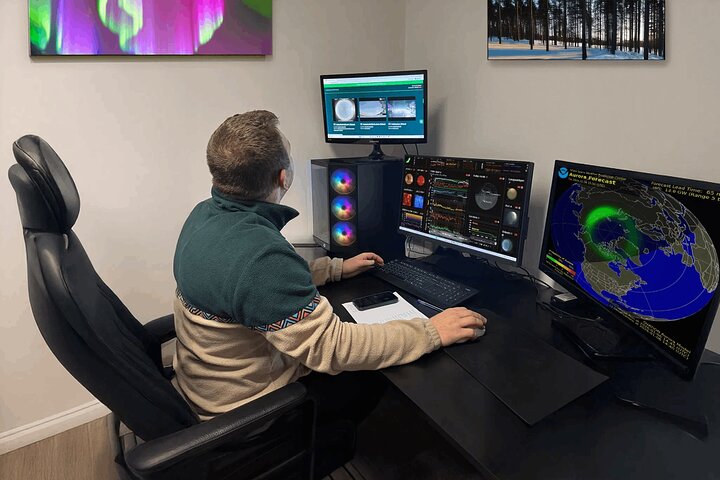
That night, I decided I would never book a tour that didn't offer unlimited mileage. The best operators in Rovaniemi, the ones I now recommend to everyone, will drive 200km or more to find clear skies. They watch the Finnish Meteorological Institute's aurora forecast, which updates every 25 minutes, and make real-time decisions based on cloud cover and solar activity. I've been on tours that drove all the way to the Swedish border (about 180km west) to find a break in the clouds. It worked. We saw the aurora at 01:30, and the guide built a campfire, served hot lingonberry juice, and stayed out until 03:00 so everyone got their shot.
The Tour That Saved My Trip
After that disastrous first tour, I booked the Small-Group Photography-Focused Aurora Tour and it completely changed how I think about aurora hunting. The group was capped at 8 people, not 45. Our guide, a Finnish photographer named Antero who had been chasing the aurora since the 1990s, spent the first 20 minutes adjusting everyone's camera settings. He explained that for most DSLR cameras, you want ISO 1600-3200, an aperture as wide as your lens allows (f/2.8 or wider), and a shutter speed of 5-15 seconds depending on how fast the aurora is moving. He showed me how to disable autofocus and manually set to infinity, which is the single most common mistake beginners make. That night, at 23:47, the revontulet appeared as a pale white smear. Antero set up tripods, dialled in the settings, and by midnight the sky was genuinely rippling. The photos he sent two days later showed colours my phone couldn't capture, vivid greens, hints of magenta, and the stars sharp as needles.
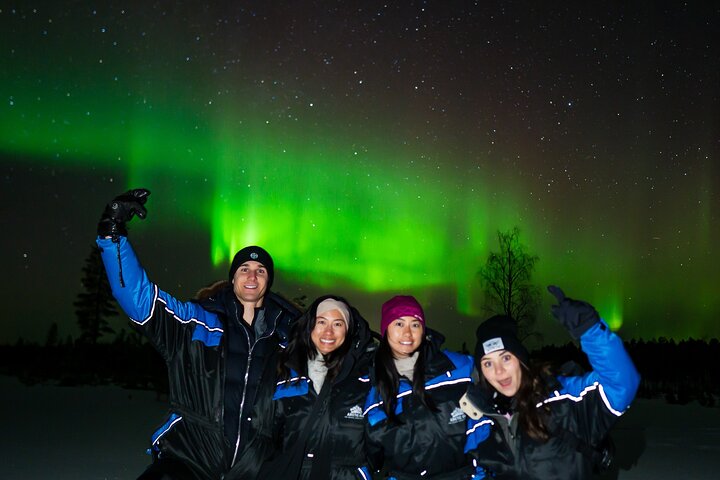
Small-Group Photography-Focused Aurora Tour
Professional photographer guides you through camera settings, provides tripods, and sends you high-quality edited photos after. Max 8 people. Best for photography enthusiasts and couples who want usable photos, not just memories. The downside: it's more expensive than budget tours, and you need some basic camera knowledge to get the most out of it.
Book Now →The Moments That Made It Memorable
During my second winter as a guide, I took a group to a frozen lake about 40km east of Rovaniemi. The ice was 60cm thick, and we had drilled a hole earlier that day for ice fishing. At 22:15, the aurora started as a faint green glow on the horizon. Within 20 minutes, it had exploded into a full display, curtains of light that shifted from green to purple, moving so fast that my 5-second exposures were blurring. I switched to ISO 3200, f/2.8, and a 3-second shutter speed. The photos were grainy but sharp. One guest, a retired engineer from Germany, had brought a mirrorless camera he had never used. I helped him set it to manual mode, and when he saw the first image on his screen, he actually laughed. "I've been taking photos of my garden for years," he said. "This is something else."
The thing about Lapland winter activities and tours is that the aurora is only part of the experience. On that same trip, we built a fire on the ice, grilled sausages, and drank hot chocolate while the lights danced overhead. The temperature hit -28°C, and I watched a young couple hold hands with their gloves off for exactly 12 seconds before their fingers went numb. It was absurd and beautiful. The husky kennel we visited the next morning, a small family operation near Ranua, was the real highlight for many. The dogs, Siberian huskies and Alaskan mixes, were already howling at 09:30, steam rising off their fur. Our guide, Juhani, had been running that kennel for 14 years. He handed me a one-piece thermal suit and said: "The dogs know if you're nervous. They feed on it." He was right.
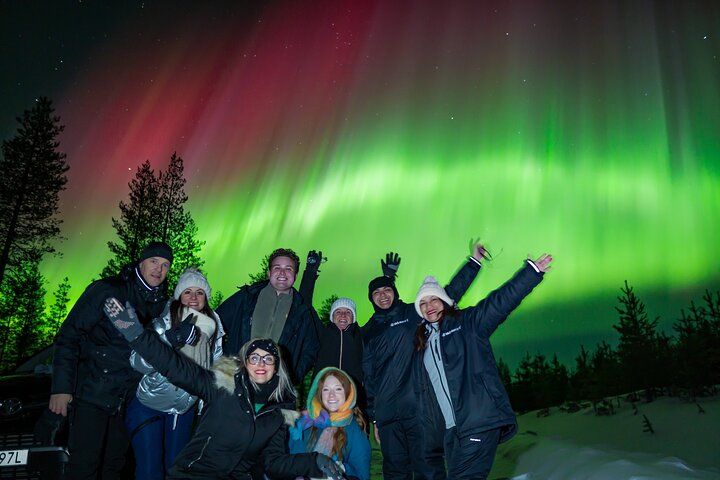
A lesser-known spot Worth Discovering
For first-time aurora hunters who care more about seeing the lights than photographing them perfectly, I recommend the Most-Reviewed Northern Lights Tour with Unlimited Mileage. With over 2,500 reviews, this tour has a reputation for delivering. The key feature is the unlimited mileage guarantee, the guide will drive 200km+ if needed to find clear skies. I've been on this tour twice as a customer, and both times the guide drove at least 90km from Rovaniemi. Hot drinks and a campfire are included, and the guides carry spare batteries and hand warmers for guests who forgot to prepare. The downside: groups can be up to 15 people, so it's less intimate than the photography tour. But for maximum chance of success, this is the one.
Photo Gallery
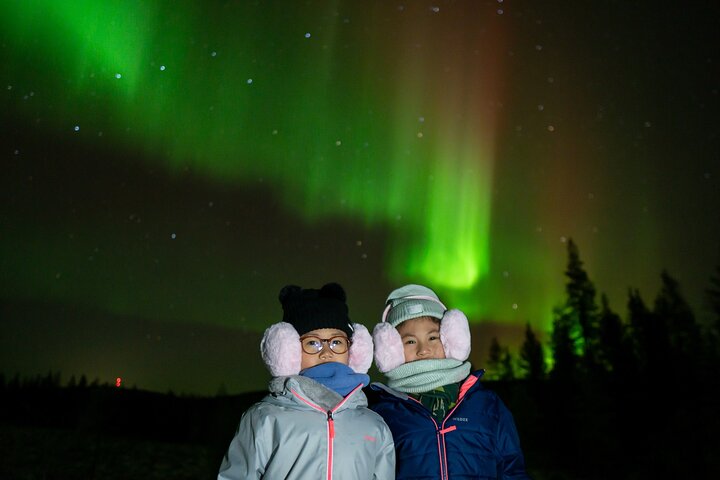
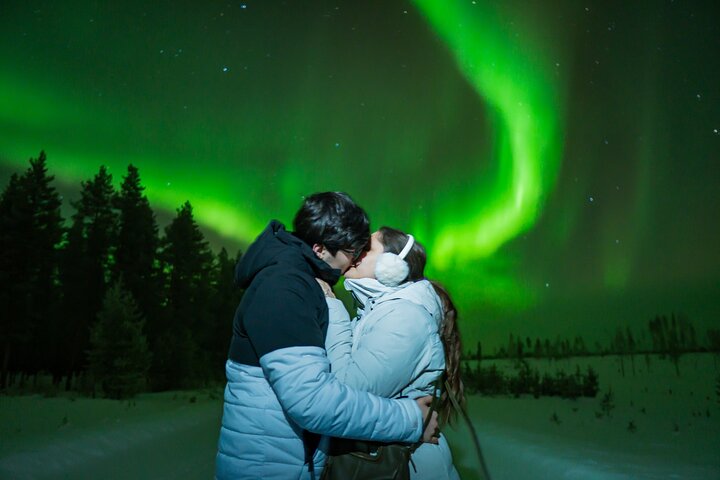
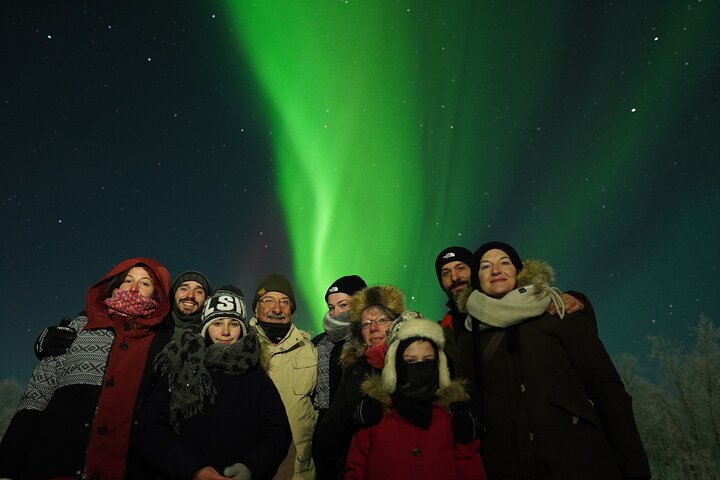
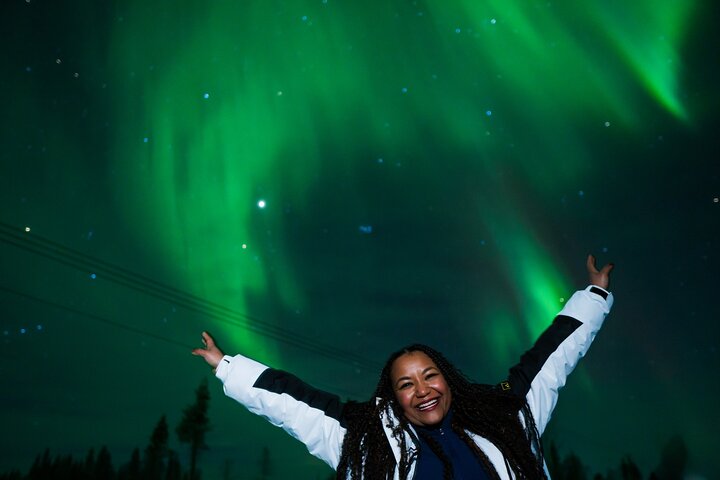
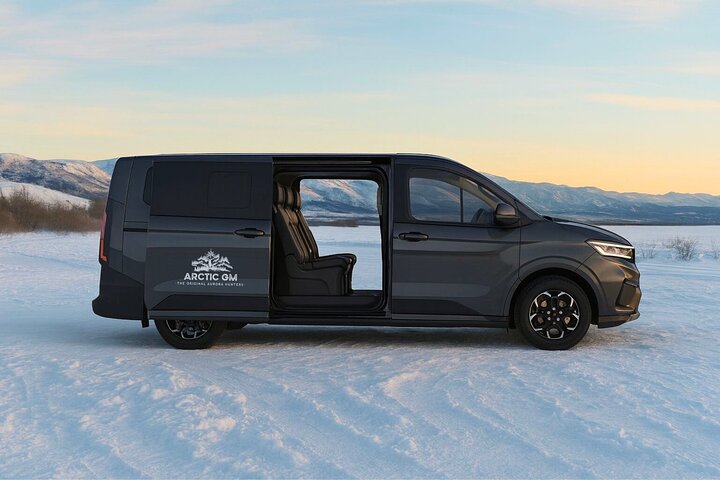
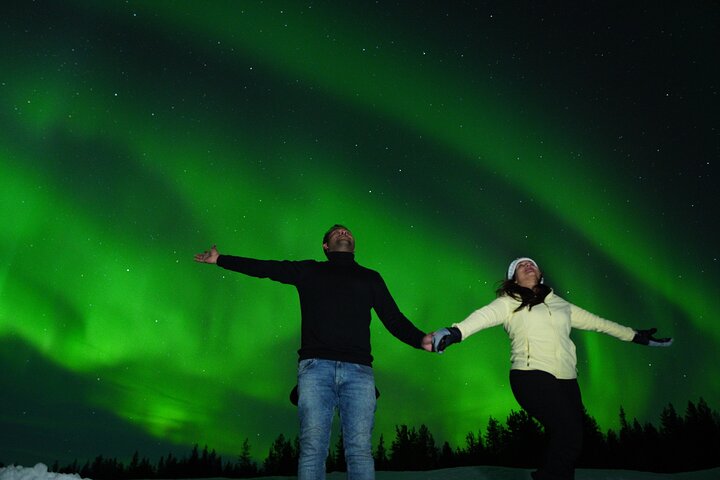
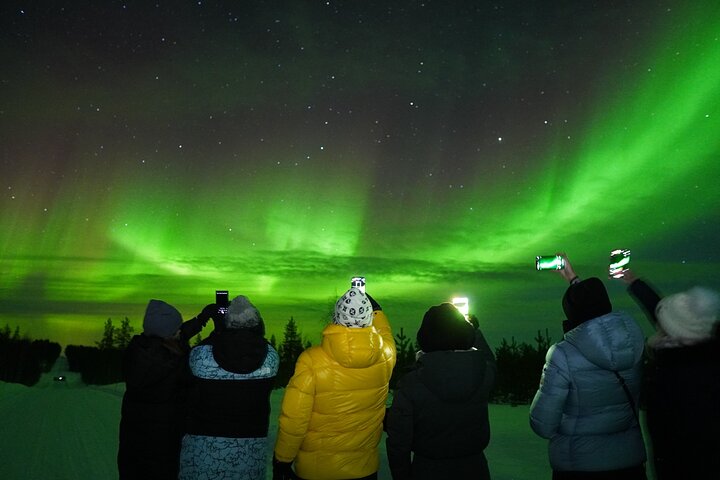
Most-Reviewed Northern Lights Tour with Unlimited Mileage
Unlimited mileage guarantee means your guide will drive until they find clear skies, even 200km away. Hot drinks and campfire included. Over 2,500 reviews. Best for first-time aurora hunters who prioritise seeing the lights over photography. The con: groups of up to 15 people, less individual attention.
Book Now →What Really Surprised Me About Lapland
I didn't expect the aurora to look so different from the photos. The first time I saw the revontulet with my own eyes, I was confused. It was a pale white-green glow, like a faint cloud with a green tint. My camera, set to a 10-second exposure, showed vivid green curtains. The difference between what your eyes see and what your camera captures is dramatic. This is not a flaw, it's the magic of aurora photography. Your phone camera, even a new iPhone or Samsung, will struggle. Phone sensors are too small to capture the light in real time. You'll get a grainy green blob. A proper camera with manual controls, even an entry-level DSLR with a kit lens, will produce images that look like the Instagram photos you've been dreaming of.
Another surprise: how cold it actually is. -25°C feels nothing like a cold day in London or New York. Exposed skin freezes in under 30 minutes. I carry two power banks for my phone because lithium batteries drain in minutes at those temperatures. I've seen guests lose 40% battery in 10 minutes while trying to take photos. The solution: keep your phone and camera batteries close to your body, in an inner pocket, until you need them. And wool base layers are non-negotiable. Cotton holds moisture, which freezes. Merino wool is worth every euro.
Mia Ahola's Insider Tips for Getting It Right
After three winters of guiding and countless tours as a customer, here's what I've learned:
- Book a tour with unlimited mileage. The cheapest tours stay within 20km of Rovaniemi and rarely find clear skies. Pay more for the guarantee.
- Check the Finnish Meteorological Institute's aurora forecast. It updates every 25 minutes and is more reliable than any app. But trust your guide over your phone, local knowledge beats algorithms.
- Bring a proper camera. DSLR or mirrorless with manual controls. Set ISO to 1600-3200, aperture as wide as possible (f/2.8 or wider), and shutter speed to 5-15 seconds. Disable autofocus and manually set to infinity. Use a tripod, I've seen too many blurry photos from people trying to handhold.
- Wear wool base layers, not cotton. Merino wool top and bottom, fleece mid-layer, insulated waterproof outer layer. Thermal boots rated to -30°C. Two pairs of socks (thin merino under thick wool).
- Carry a power bank. Your phone battery will die in 20 minutes at -25°C. Keep it in an inner pocket.
- Skip the Santa Claus Village restaurants. They're overpriced and mediocre. Eat in Rovaniemi centre, take bus #8, it's 20 minutes.
- Book morning husky safaris in December. There's only 3 hours of twilight; afternoon tours run in near-darkness.
For more detailed tips, check my northern lights guide and the aurora photography for beginners article.
What I Wish I'd Known Before I Went
I wish someone had told me that the aurora is not guaranteed, even on a 5-night trip. Solar activity and weather are unpredictable. December 21, the winter solstice, has about 2 hours of twilight and zero direct sunlight in Rovaniemi, the days are short, but the nights are long and dark, which is actually perfect for aurora viewing. The best months are September to March, with peak activity around the equinoxes (September and March).
I also wish I had known that the Arctic Snow Hotel is genuinely warm inside. I stayed there once, in a room with walls carved from ice, and slept in a sleeping bag rated to -30°C. The room was -5°C inside. I wore merino thermals, and I was too warm by 2 AM. The ice bar serves vodka in glasses made of ice, and the chandeliers are carved from frozen river water. It's disorienting and beautiful. Book it for one night, it's an experience, not a practical hotel.
The biggest lesson: don't expect Instagram. Expect a pale white-green arc that your camera will turn into magic. Expect cold that bites through three layers. Expect guides who drive 200km to find a break in the clouds. And expect that when you see the revontulet for the first time, even as a faint glow, you'll understand why the Sámi believed they were the spirits of the dead playing football with a walrus skull. That's the real Lapland.
Who this guide is NOT for: Professional photographers who already know their settings and just want a driver to a dark location. Serious aurora chasers should rent a car and use the Finnish Meteorological Institute forecast independently. This guide is for regular travellers who want decent photos without becoming photographers.
Explore More
Related comparisons and guides: