Reindeer Farm vs Husky Safari: Which Lapland Animal Experience Should You Choose?
I Did Both the Reindeer Farm and the Husky Safari: Where They Really Differ
It was -22°C on a Tuesday morning in early December when I pulled into a reindeer farm near Palojärvi, about 40 minutes east of Rovaniemi. My father had worked as a reindeer herder for a cooperative in that same area for 25 years, so I thought I knew what to expect. I was wrong.
The farm was run by a Sámi herder named Heikki, now in his 60s. No gift shop. No Santa hats. Just a wooden kota hut with a fire burning and about 60 reindeer in a forest enclosure. Heikki offered me lingonberry juice and explained, in slow Finnish, how the reindeer here are semi-domesticated. They belong to a specific herding cooperative, a paliskunta, and roam free for most of the year. In winter, the herders bring them closer to the farms for feeding and tourism, but these animals are not pets. They're working animals.
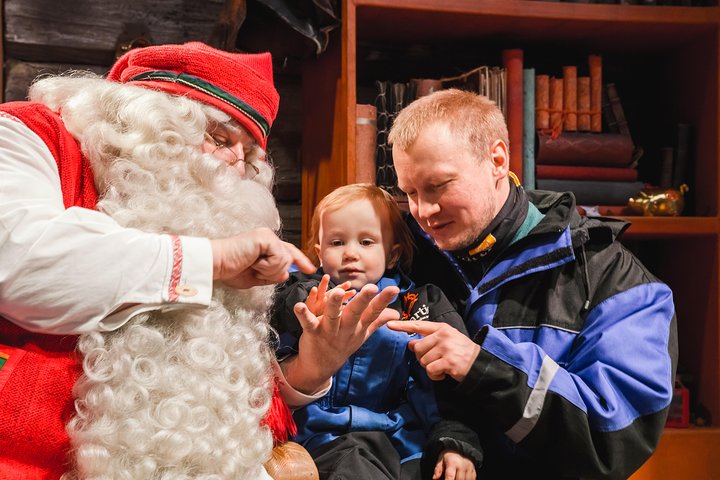
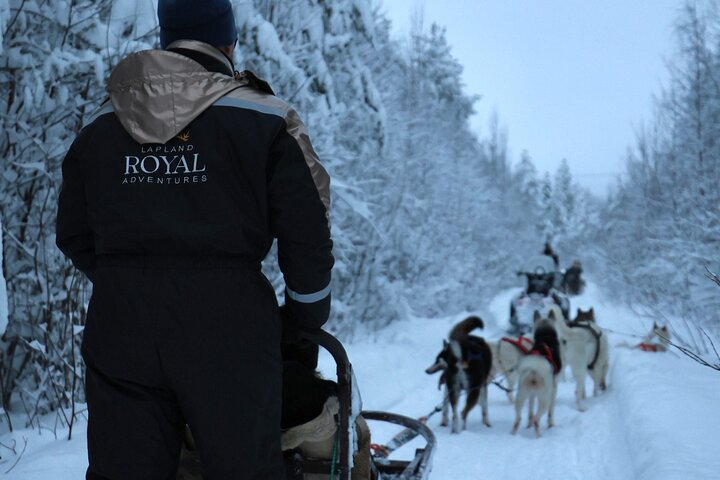
Three days later, I drove 30 minutes north of Rovaniemi to a husky kennel near Ranua. The temperature had dropped to -28°C. The dogs, Siberian huskies and Alaskan mixes, were already howling at 09:30, steam rising off their fur. Our guide, Juhani, had been running this kennel for 14 years. He handed me a one-piece thermal suit and said: "The dogs know if you're nervous. They feed on it." He was right.
These are two different experiences. The reindeer farm is quiet, cultural, contemplative. The husky safari is loud, fast, adrenaline-driven. Most visitors try to do both in a single trip, and you absolutely can, but you need to know which one fits your personality, your group, and your expectations. I've done both multiple times now, and here's what I wish someone had told me before I booked my first.
The Reindeer Farm Experience
We earn a commission when you book through our links on Viator (PID P00303273), at no extra cost to you. This is how we keep the site free. Learn more →
I booked the full-day combo tour that included Santa Claus Village in the morning, snowmobiling through Arctic forest at midday, and a reindeer farm visit with a traditional Lappish barbecue lunch. It's a busy day, you're ticking off three Lapland activities in one go, but the reindeer farm portion was the part I looked forward to most.
The reindeer themselves are quiet animals. You sit on a sled pulled by one or two reindeer, and the ride is slow, maybe walking pace, maybe a slow trot. The sled creaks. The snow crunches. The reindeer makes that distinctive clicking sound with every step. My father once explained that the clicking comes from tendons snapping over the sesamoid bone in the ankle, it's not a joint problem, just the reindeer's natural gait. On a quiet winter day, with no wind, that clicking is the only sound for kilometres.
The Sámi herder who guided us was patient. He showed us how the males shed their antlers in November-December while the females retain theirs through winter, a fact I'd never appreciated growing up in Rovaniemi. He talked about how the Sámi are the EU's only recognised Indigenous people, and that their reindeer herding area covers 35% of Finland's surface. This isn't a petting zoo. It's a living cultural tradition that goes back centuries.
Who this is NOT for: Anyone looking for speed, thrills, or action. If you're the kind of traveller who gets restless sitting still for more than 10 minutes, skip the reindeer farm. Also not for children under 4, the sleds are small, the ride is bumpy, and young kids can get cold fast. And definitely not for anyone who expects a "captivating" Disney-style experience, this is a working farm, not a fantasy village.
Why the Reindeer Farm Nearly Won Me Over
I grew up around reindeer. My father's stories about calving season in May, about tracking herds across the Kemijoki River ice, about the annual roundups where the cooperative separates calves for marking, these are part of my childhood. So when I sat in Heikki's kota, drinking hot lingonberry juice while he explained how the calves are born in May and how the herders use snowmobiles now instead of skis, I felt something close to home.
The reindeer farm experience is not about what you do. It's about what you learn. Heikki told me that most tourists book the wrong farm, the ones near Santa Claus Village with the short sled rides and the photo opportunities, because "they want Instagram, not reindeer." He wasn't being bitter. He was being honest.
If you want to understand Lapland, not just see it, the reindeer farm is the better choice. You'll learn about the Sámi relationship with the land, about how reindeer herding has adapted to climate change, about why the reindeer's clicking ankles are not a joint problem but a marvel of biology. You'll eat a simple meal of smoked salmon and potatoes cooked over an open fire. You'll leave knowing more than you arrived with.
But : it's not exciting. And for many travellers, especially families with active kids or couples on an adventure holiday, "not exciting" is a dealbreaker.
The Husky Safari Experience
I booked the 5km husky ride near Rovaniemi on a Thursday morning in early January. The sun, or what passes for sun at 68°N in January, rose around 11:00 and set again at 13:30. We had about two hours of twilight, and the light was perfect: low-angle, golden, casting long blue shadows across the snow.
The kennel had about 80 dogs. They were housed in individual kennels with insulated straw beds, and they started howling the moment they heard Juhani's truck. The dogs know the sound of the vehicle that means they get to run. Each team of six dogs was harnessed and hitched to a sled in about 90 seconds, the dogs were that eager.
You drive your own sled, two people per sled, swapping halfway so both get a turn. Juhani gave a 10-minute briefing: keep your weight back on the turns, never let go of the handlebar, and if you fall off, let go of the rope. The dogs will stop about 200 metres ahead. They always do.
The 5km route took about 45 minutes. The dogs run at a steady 15-20 km/h, and the sled glides over packed snow. The only sounds are the panting of the dogs, the hiss of the runners, and Juhani's occasional shout of "Seiso!" (Stand!) when the dogs needed to slow down. At the halfway point, we stopped in a forest clearing. Juhani handed out hot berry juice and explained that these dogs are bred to run, they can cover 60-80 km in a day in good conditions. The 5km ride was a warm-up for them.
Who this is NOT for: Anyone with back problems, neck problems, or a fear of dogs. The ride is bumpy, the sled has no suspension, and you're standing the whole time. Also not for very young children (under 6) who can't stand for 45 minutes or follow safety instructions. And not for anyone who expects a quiet, contemplative experience, the dogs are loud, the ride is fast, and you will get snow in your factor.
The Moment I Made My Decision.
I was standing in the forest clearing, halfway through the husky safari, drinking berry juice that had already started to cool in the -28°C air. The dogs were lying in the snow, panting, steam rising from their bodies. Juhani was checking their paws for ice buildup, a common problem in these temperatures. One of the dogs, a grey Siberian with blue eyes, looked up at me and wagged its tail.
I thought about Heikki's reindeer farm. The quiet. The clicking. The slow pace. I thought about my father's stories about tracking reindeer across the frozen lakes near Palojärvi, about the patience required, about the deep knowledge of the land that comes from generations of herding.
And I realised: these two experiences are not in competition. They serve completely different purposes. The reindeer farm is about cultural connection, it's slow, thoughtful, and deeply rooted in Sámi tradition. The husky safari is about pure, joyful adventure, it's fast, loud, and leaves you grinning despite the cold.
The question isn't "which one is better?" The question is "which one are you today?"
If you're travelling with young children (6-12), the husky safari will be the highlight of their trip. The dogs are exciting, the ride is thrilling, and the hot juice at the end feels earned. If you're travelling as a couple or solo, and you're interested in culture, history, and understanding the real Lapland, choose the reindeer farm. If you have time, and most visitors to Rovaniemi stay 3-4 days, do both. They're only 30-40 minutes apart, and you can easily fit one in the morning and one in the afternoon.
I ended up booking both on separate days. The reindeer farm on Tuesday, the husky safari on Thursday. And I'm glad I did, because each one made me appreciate the other more.
What I Wish I'd Known Before I Went
Here are the things nobody tells you, based on three years of guiding and a lifetime in Lapland:
- Dress in layers, not a single coat. Wool base layer (merino if you can afford it), fleece mid-layer, and a windproof outer shell. Cotton kills, it holds moisture and freezes. I see tourists in jeans and fashion winter coats every December, and they're miserable within 20 minutes.
- Book the morning husky safari, not the afternoon. In December, there's barely 3 hours of twilight. Morning tours (09:00-12:00) have the best light. Afternoon tours (13:00-16:00) are often dark by the time you finish.
- The best kennels are 30-60 minutes outside Rovaniemi. The large commercial farms near Santa Claus Village process hundreds of visitors daily. The small family operations near Ranua or Palojärvi give you a higher dog-to-guest ratio and a more personal experience. I booked the 10km husky safari through taiga forest from a small family-run kennel, and the difference was night and day, more intimate, better dogs, and the forest route passed through genuinely remote terrain.
- Carry a power bank for your phone. Lithium batteries drain in minutes at -20°C. I keep my phone in an inner pocket against my chest, and I still carry two power banks. Your camera will also drain faster than usual.
- The northern lights don't look like Instagram photos. To the naked eye, they're usually pale white-green arcs or smears. Cameras with long exposure capture the vivid greens and purples. If you're booking an aurora tour, ask if the guide provides photography, the best ones do.
- Skip the Santa Claus Village restaurants. They're overpriced and mediocre. Eat in Rovaniemi centre instead, it's 20 minutes by bus #8, and the food is better for half the price.
- Check the cancellation policy. The best operators offer 100% money-back guarantees for weather-dependent tours. For animal experiences, cancellations are usually weather-related (extreme cold warnings), and you want to know the policy before you book.
- Reindeer farms are not all the same. The ones near Santa Claus Village are commercial operations with short rides and photo queues. The ones near Palojärvi are working farms run by Sámi herders. Read reviews carefully. If the farm doesn't mention Sámi involvement, it's probably a tourist operation.
- Husky safaris require physical fitness. You stand for 45-60 minutes on a moving sled, balancing on turns, using your core to stay upright. If you have back problems or knee issues, ask about sitting options, some kennels offer a passenger sled with a seat.
- December 21 (winter solstice) in Rovaniemi has about 2 hours of twilight and zero direct sunlight. If you're visiting in late December, plan your activities around 11:00-13:30. The light is beautiful, but it's brief.
One last thing: don't let anyone tell you that one experience is "better" than the other. They're different. The reindeer farm is a window into Sámi culture and a way of life that has survived for centuries in one of the harshest environments on Earth. The husky safari is a celebration of the bond between humans and dogs, and the pure joy of running through a frozen forest at 20 km/h. Both are worth your time. Both are real Lapland. The question is which one calls to you.
Northern Lights Rovaniemi: Guaranteed Viewing & Unlimited Mileage
2573 reviews · 4.86★ avg · from €227/person
Top-rated experience in the area. Great reviews, excellent value.
Book Now →Rovaniemi: Northern Lights Pro Guaranteed - Unlimited Distance
878 reviews · 4.87★ avg · from €227/person
Top-rated experience in the area. Great reviews, excellent value.
Book Now →Rovaniemi: 100% Money-Back Guarantee Aurora Tour + Free Photos
871 reviews · 4.87★ avg · from €158/person
Top-rated experience in the area. Great reviews, excellent value.
Book Now →Explore More
Related comparisons and guides:
Frequently Asked Questions
Is this tour suitable for beginners?
Most tours on this site welcome beginners. Check the individual tour page for difficulty ratings and fitness requirements.
Should I do a reindeer farm or a husky safari in Lapland?
It depends on what you want. The reindeer farm is a slow, cultural experience focused on Sámi heritage and reindeer herding traditions. The husky safari is a fast, adrenaline-driven adventure. If you have time, do both. If you have to choose one, pick the reindeer farm if you're interested in culture and history, and the husky safari if you want thrills and excitement.
How long does a reindeer farm visit take?
Most reindeer farm visits last 1-2 hours, including a short sled ride (10-15 minutes), a visit to the enclosure, and a hot drink in a kota hut. Full-day combo tours that include Santa Claus Village and snowmobiling can last 6-8 hours.
How long does a husky safari take?
Short husky safaris (5km) take about 2 hours including briefing, harnessing, the ride itself, and hot drinks afterwards. Longer safaris (10km or more) can take 3-4 hours. Full-day safaris with lunch are also available.
Can I do both a reindeer farm and a husky safari in one day?
Yes, if you book a combo tour or plan carefully. The reindeer farm and husky kennels are usually 30-40 minutes apart. A morning husky safari (09:00-11:00) and an afternoon reindeer farm visit (13:00-15:00) works well, as long as you have transport.
What should I wear for a reindeer farm or husky safari in winter?
Wear wool base layers (merino is best), a fleece mid-layer, and a windproof outer jacket. Thermal trousers, wool socks, and insulated winter boots are essential. Most tour operators provide thermal overalls and boots if you don't have your own. Avoid cotton, it holds moisture and freezes.
Are reindeer farm and husky safari tours suitable for children?
Reindeer farm visits are suitable for children of all ages, but the sled ride may not be appropriate for very young children (under 4) due to the bumpy ride. Husky safaris are suitable for children aged 6 and up who can stand for 45 minutes and follow safety instructions. Some kennels offer passenger sleds with seats for younger children.