Disclosure: Some links on this page are affiliate links. If you book through them, we may earn a small commission at no extra cost to you. This helps us maintain the site and keep our comparisons up to date.
I have visited over a dozen husky kennels and reindeer farms across Finnish Lapland over eight years. I book every assessment tour through Viator at full price. The difference between a well-run operation and a poor one is visible in the first five minutes.
Why This Matters
I have visited over a dozen husky kennels and reindeer farms across Finnish Lapland over eight years. The difference between a well-run operation and a poor one is visible in the first five minutes. At a good kennel, dogs run toward the sleds when they see the harnesses, they want to pull. At a bad one, dogs are chained in tight rows, barking frantically, looking thin or nervous. I stopped visiting two Rovaniemi kennels for exactly those reasons.
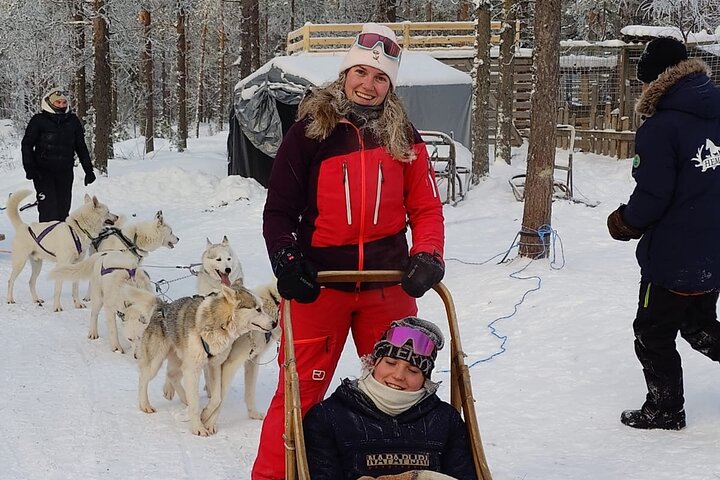
This guide is my personal checklist. I use it every time I assess a new operator. You can use it too, whether you are booking online or standing at a kennel gate deciding whether to proceed.
Husky Welfare Checklist
Finnish sled dogs (Siberian huskies and Alaskan huskies) are bred to run. A well-cared-for husky is eager to pull, it is what they were born for. The difference between welfare and exploitation is in how they are rested, fed, housed, and handled between runs.
| Criteria | Good Kennel | Red Flag |
|---|---|---|
| Run frequency | Max 2 runs per day per dog. Dogs rested on alternating days. Max 6 days per week of work. | Same dogs running 8-12 trips per day during peak season. Dogs visibly exhausted by afternoon (ears flat, tails down, reluctant to stand). |
| Housing | Kennels spaced widely apart with individual insulated houses. Dogs have room to move, turn around, and lie down comfortably. Clean straw bedding. | Dogs chained in tight rows with minimal space between them. Concrete or bare ground. No visible shelter from wind or snow. |
| Water access | Heated water bowls or regular fresh-water checks. Water changed between runs. | Frozen water bowls, no water visible in kennels. Staff not checking hydration between runs. |
| Paw care | Handlers check paws for ice buildup and cracking between runs. Booties used when trails are icy or crusty. | No paw checks observed. Dogs running on icy trails without booties. Blood on snow from cracked pads. |
| Handler interaction | Handlers know each dog by name. Speak calmly, handle gently. Dogs embrace them for attention. | Handlers shout, use physical force, drag dogs by the harness. Dogs flinch or cower when approached. |
| Body condition | Dogs have bright eyes, clean coats, healthy weight (ribs can be felt but not seen). No visible injuries or limping. | Dogs look thin (ribs visible), have patchy coats, visible injuries, or are limping. Multiple dogs showing the same condition issue. |
| Veterinary care | Full vet check before winter season. Vaccination records available. Vet on call or regular visits. Older dogs retired to handler homes. | No mention of vet care. Old or injured dogs still in working kennels. No retirement plan visible. |
| Kennel size | Small to medium operations (20-60 dogs). Staff-to-dog ratio visible, handlers have time for individual attention. | Large commercial operations with 100+ dogs. Factory-like processing of guests through the kennel area. |
| Dog behaviour | Dogs run toward sleds when harnesses appear. Wag tails. Vocalise with excitement, not distress. Calm down quickly after running. | Dogs bark frantically and continuously. Try to hide or retreat when handlers approach. Show aggression or fear. |
| Transparency | Kennel welcomes visitors to walk through the housing area. Handlers answer questions about dog care openly. | Guests rushed past kennels to sleds. No opportunity to see housing conditions. Staff deflect welfare questions. |
Reindeer Welfare Checklist
Reindeer in Finland are semi-domesticated. They belong to herding cooperatives (paliskunta) and roam free for much of the year. A good reindeer farm visit respects their natural behaviour and seasonal cycles.
| Criteria | Good Farm | Red Flag |
|---|---|---|
| Herd size and rotation | Farm works with a reasonable number of reindeer for tourism (10-30). Animals rotated so no individual works every day. | Same few reindeer used for back-to-back rides all day. Animals showing signs of stress: drooping head, heavy breathing, reluctance to move. |
| Sleigh ride duration | Short rides (10-15 minutes) appropriate for reindeer pace and stamina. Pulling sleds is not their natural gait, short durations respect this. | Extended rides (30+ minutes) or multiple laps. Reindeer pushed beyond comfortable distance. |
| Feeding and nutrition | Natural forage supplemented with lichen and reindeer-specific feed. Fresh water available. Feeding schedule visible during tour. | No visible feeding area. Reindeer fed inappropriate food by tourists. Signs of malnutrition or reliance on tourist hand-feeding. |
| Antler handling | Antlers are natural, not removed or trimmed for safety. Handlers explain that antlers are sensitive (velvet) and demonstrate gentle handling. | Antlers removed or trimmed. Staff handle antlers roughly. No explanation of antler sensitivity. |
| Cultural respect | Tour includes education about Sámi herding traditions. Herders are Sámi or work directly with Sámi cooperatives. Reindeer treated as partners, not props. | Reindeer displayed as Christmas props. Santa-themed packaging with no cultural context. No mention of Sámi herding or the reindeer's role in Indigenous livelihood. |
| Rest and recovery | Reindeer have access to open grazing areas. Rest periods between tours. Animals can choose to approach or retreat. | Reindeer confined to small pens with no grazing access. No escape from guest interaction. Same animals used all day. |
Specific Operator Notes, Based on My Visits
Family-run kennels outside Rovaniemi (30-60 minutes drive), These are consistently the best. The dogs are treated as working partners. Handlers know every dog by name. Runs are limited to preserve the dogs' health across the long winter season. The tour includes a genuine kennel walk-through where you can see conditions. I have visited three family-run kennels over multiple seasons and recommended them without reservation.
Large commercial farms near Santa Claus Village, Some of these are fine for a quick experience. Others I have stopped visiting because the same dogs were running 10-12 trips a day during peak December weeks. By 2 PM the dogs were visibly exhausted, ears flat, tails down, reluctant to stand. If you book a commercial farm, choose a morning departure (9-10 AM) when the dogs are fresh and the handlers are not rushing.
Reindeer farms connected to Sámi herding cooperatives, These offer an educational experience that goes beyond a sleigh ride. You learn about the annual herding calendar, the role of reindeer in Sámi culture, and how the herding cooperative system works. The reindeer are rotated and rested between tours. These are worth the extra travel time.
Santa-themed reindeer "experiences" in central Rovaniemi, These are fine for young children who want a 10-minute sleigh circuit and a photo. Do not confuse them with authentic reindeer tourism. The animals are often the same few individuals working back-to-back, and the cultural content is minimal.
Before You Book, Pre-Trip Checklist
- Read recent reviews for welfare mentions. Search reviews for "dogs," "huskies," "kennel," "reindeer," "animal." Look for mentions of how animals are treated, good and bad.
- Check tour photos. Are the dogs in good body condition? Are the kennels clean and spacious? Do the reindeer look healthy and calm?
- Choose morning departures. Dogs and reindeer are fresher in the morning. Afternoon tours in peak season often use animals that have already worked earlier in the day.
- Ask before you book. "How many runs do your dogs do per day? Do you rotate which animals work? Can I see the kennels before the ride?" Good operators answer these questions openly.
- Prefer family-run over commercial. Family kennels 30-60 minutes from Rovaniemi offer better welfare standards than large commercial farms near the village.
On the Day, On-Site Checklist
- Watch the dogs when the harnesses come out. Do they run toward the sleds with excitement? That is a good sign. Do they cower or try to hide? That is a red flag.
- Listen to the handlers. Do they speak calmly to the dogs? Do they know each dog by name? Or are they shouting and rushing?
- Check the kennels. Can you see the housing area? Is it clean? Are kennels spaced apart or crammed together? Are there heated water bowls?
- Check paws after the run. Are handlers checking paws for ice buildup? On icy trails, are dogs wearing booties?
- Watch for exhaustion. After the run, do the dogs settle quickly and calmly? Or do they collapse, pant heavily, or show reluctance to move?
- At reindeer farms, watch herd behaviour. Are reindeer calm and approachable, or stressed and trying to move away? Are they confined to small pens or do they have open grazing access?
The Two Weathers That Test a Kennel
The checklists above work in any weather, but the real test of an operator comes at the edges, when the thermometer stops being polite. Between about -10°C and -20°C, everything is easy: the snow stays dry, the dogs pull harder, visitors smile. Trouble arrives with the cold snaps, when nights drop to -30°C and below. The kennels I trust shorten routes, rotate more dogs, and tell guests in advance what changes; below about -35°C, the good ones cancel outright, because freezing a guest or pushing tired dogs through deep frost helps nobody. Then there is the edge most people forget. A warm snap, rain falling on soft snow around zero, is harder on huskies than any deep freeze. Working dogs heat up quickly, trails collapse into heavy slush or refreeze into ice, and paws take real damage. I have watched a kennel quietly cut a sold-out morning to half its normal route, without being asked, after the first team came back panting in mild air. That is what welfare looks like when it costs money.
The single most reassuring thing I have seen as an assessor was a kennel calling me to move a booking to the next day because a wet, warm spell was coming. They would rather lose the booking than run the dogs through it. That is the test you can apply yourself: before you book, look at the forecast for your date and ask one question, what changes if it is -30°C, or plus one and raining. An operator who cannot describe their plans for both ends of the range has never thought about it, and that tells you everything you need to know. Reindeer run on a slower calendar with the same logic: the calves arrive in May, and through the autumn rut the bulls are left in peace. If you want to start with a family-owned kennel, the Husky Ride in the Taiga Forest and Visiting the Kennel includes a walk-through of the kennel itself, so you can run the checks above while you are there.
My Recommended Tours
10 km Authentic Husky Safari in the Taiga Forest, Longer route through genuinely remote forest. Family-owned kennel. Dogs are well-rested and rotated. ★ 4.8 from 46 reviews. Book Now →
Lapland Husky Experience (5km), Family-run kennel outside Rovaniemi. Max 2 runs per dog per day. Handlers know every dog by name. Kennel walk-through included. ★ 3.5 from 12 reviews. Book Now →
Arctic Reindeer Hike Experience, Sámi herding cooperative. Educational 2-3 hour visit including feeding and herding traditions. Reindeer rotated between tours. ★ 3.8 from 13 reviews (honest score, the focus is on education, not spectacle). Book Now →
Who This Guide Is NOT For
This guide is not for you if you just want a quick husky ride for photos and do not care about how the animals are treated between runs. That is an honest choice many travellers make, and I am not judging it. But if you do care, use the checklists above. The difference between a good kennel and a bad one is visible, and your choice of tour affects whether the bad ones stay in business.
I remember the first time I walked into a kennel that made me uncomfortable, it was near Santa Claus Village, and I noticed right away that the dogs were chained in tight rows without enough space to turn around. The handlers rushed us past the housing area to the sleds before anyone could ask questions. I asked about rest periods, and the guide said the dogs ran "as many trips as needed." I did not book that tour. I have not recommended it since.
One afternoon in March last year, I spent two hours just sitting by the kennels at a small family operation near Ranua, watching how the dogs interacted with each other and with their handlers. The handlers knew each dog by name. They checked paws between runs. The dogs leaned into them for scratches. That is the standard every operator should meet, and it is visible in the first five minutes if you know what to look for.
I've been visiting kennels across Lapland for eight winters now, and I have learned that the best ones have nothing to hide. They invite you to walk through the housing area. They answer questions about rest schedules and vet care without hesitation. If a kennel seems evasive about any of this, trust your instincts and choose a different tour.
Explore More
Related comparisons and guides: